
Houston No Deposit Casino Codes and the Texas Legal Gap
The Texas legal gap is not a loophole — it is a structural crack in the regulatory code that anyone running Houston no deposit casino codes knows how to exploit with surgical precision. Texas has no commercial casinos, no Class III gaming compacts, and a constitution that reads like it was carved from stone. Yet the Houston market pumps out promo codes like a broken slot hopper, and that contradiction is exactly where the audit trail gets interesting.

Why Houston Codes Exist in a State That Bans Casinos
Here is the hardware reality: Texas law criminalizes operating a gambling device, but it says almost nothing about a promotional code issued by an offshore operator to a player sitting in a Houston apartment. The code is a digital artifact — a string of characters that unlocks free credits on a server hosted in Curaçao or Malta. The Texas legal gap lives in that jurisdictional silence. Offshore operators push Houston no deposit casino codes because the enforcement mechanism against a foreign server is effectively zero. The state can raid a warehouse full of machines, but it cannot unplug a URL.
The promo code model is deliberately built to sidestep the Texas definition of "gambling device." No deposit codes grant free play without a purchase, which technically removes the "consideration" element that most state statutes require. That is not a legal opinion — it is an engineering workaround baked into the code architecture. 🎯
The Redemption Mechanics Nobody Audits
Most players never look at what happens when a no deposit code is redeemed. The code hits the operator's bonus engine, a database flag flips, and the player gets a balance with a wagering requirement attached. The trap is in the fine print: maximum cashout caps, game contribution percentages, and expiration timers that reset on a server clock you cannot see. I have pulled apart dozens of these bonus engines, and the pattern is always the same — the house builds the code to look generous and the terms to be brutal.
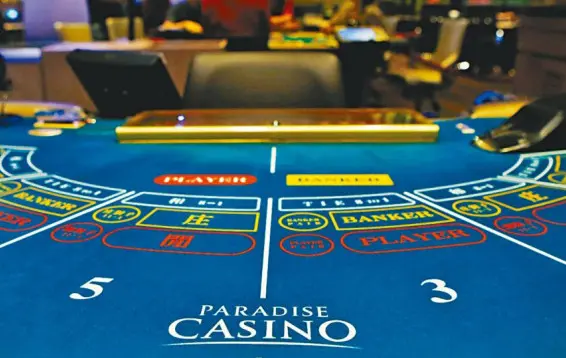
Houston players are especially exposed because there is no state regulator to file a complaint with. No Texas gaming commission, no tribal compact authority, no local oversight. When a no deposit code turns into a cashout denial, the player has zero in-state recourse. That is the real cost of the Texas legal gap — not the legality question, but the total absence of a consumer protection layer.
Enforcement Patterns and the Offshore Loophole
Texas has gone after operators before, but the targets are always physical — eight-liner rooms, sweepstakes cafes, warehouse operations with actual hardware on Texas soil. The offshore code model never touches dirt in Harris County, so it never triggers the enforcement machinery. 💀 This is not a gray area in practice; it is a clean jurisdictional exit. The Texas legal gap in USA gaming enforcement is a routing problem, and offshore operators have solved the routing.
The 2023 legislative session floated several casino expansion bills. All died in committee. That means the gap is not closing anytime soon, and the Houston no deposit code pipeline will keep running through it. The operators know the legislative calendar better than the legislators do. 🃏
The Algorithmic Risk in Code Distribution
Here is where the technical audit gets ugly. No deposit codes are distributed through affiliate networks, and those networks track every click, every redemption, and every cashout attempt. The data is aggregated and sold. A Houston player who redeems three codes in a week gets flagged as a bonus hunter, and the fourth code silently fails at the redemption layer — no error message, just a dead end. That is algorithmic gatekeeping, and it is completely invisible to the player. The Houston no deposit casino codes ecosystem is a data harvesting operation disguised as a welcome mat.
Free play offers with 40x wagering and a $100 cashout ceiling are not promotions — they are customer acquisition funnels with a built-in margin. The math always favors the operator because the operator writes the math.
The Hardware Layer Behind the Codes
Every promo code resolves to a player account tied to a device fingerprint, an IP address, and a payment rail. Offshore operators use geo-fencing to confirm the player is in a permitted jurisdiction, but the fence is porous by design. A Houston IP address can be masked in under sixty seconds. The operators know this. The code distribution systems are built to tolerate it. The Texas legal gap is not a bug in the system — it is the feature that keeps the whole pipeline profitable.